
In the past, before anyone could place a Megalodon tooth on a shelf, take a picture of it, or study its sharp edge, it was performing something far less peaceful. The tooth belonged to the largest predatory fish to ever live in the oceans of Earth. The tooth was ripped off. In the case of most objects, that is the end of the story. It could be also the beginning of a story for fossils.
Fossil Driven’s specimens have gone traversed through a journey of geology that is not measured in years or even decades however, it is measured in millions of years. The experience of looking at the fossil changes when you are aware of the journey. You’re no longer simply looking at an interesting object. You’re seeing physical evidence of an ancient civilization.
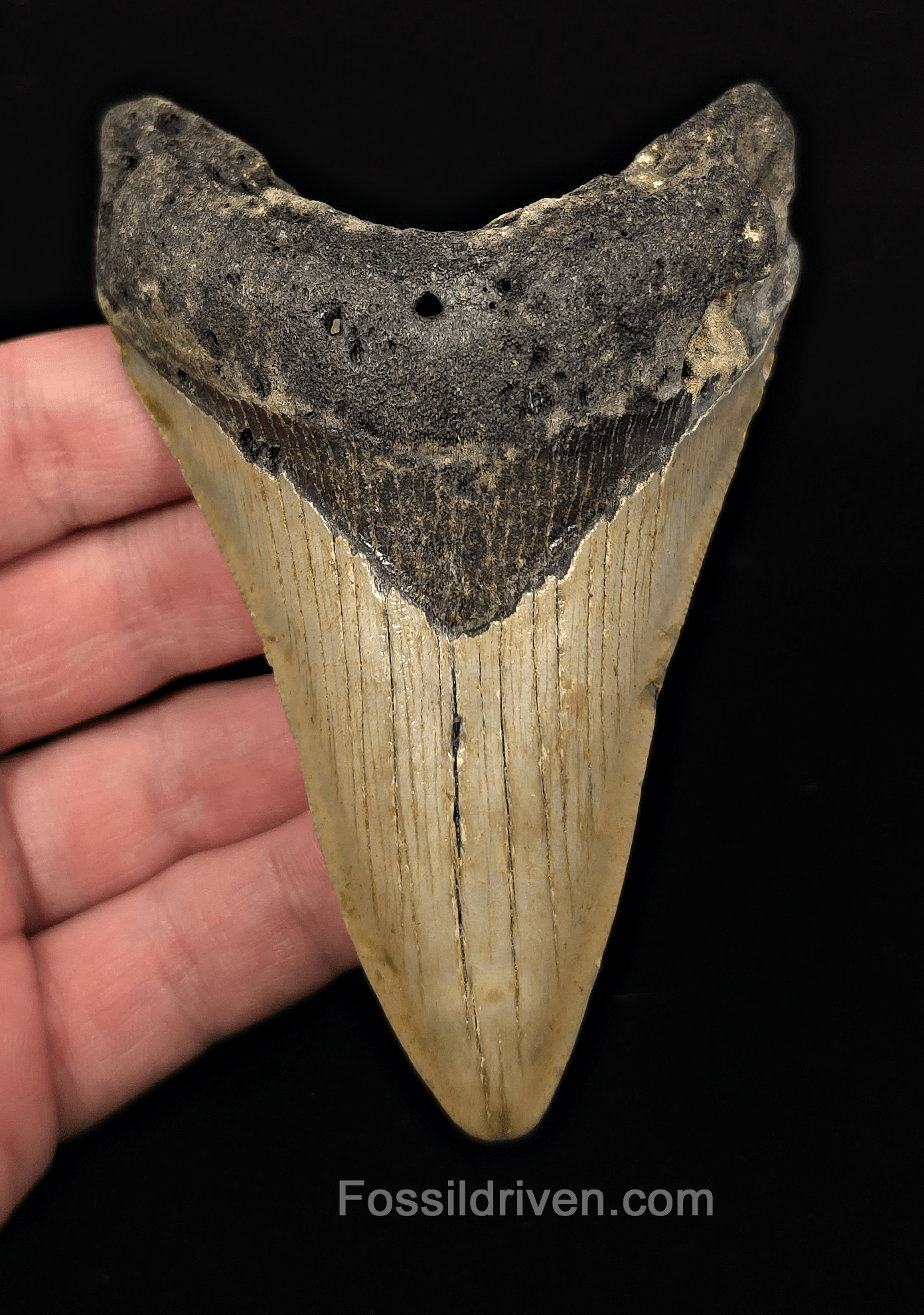
Image credit: fossildriven.com
First Stop: An Ancient Ocean
Megalodon’s teeth are taken from West Java in Indonesia. Around 20 million years ago, areas of dry land that are now in our view were marine warm environments. Megalodons as well as many different marine species, resided in the oceans of the past.
Megalodon like sharks present, continuously produces and loses teeth. Some of the teeth were later buried in marine sediments. In the right conditions burial, they were protected sufficient time to allow fossilization take place.
Then, Geology came in.
The next chapter was extremely slowly. Sediments formed. Minerals reacted with the buried material. Geological forces altered landscapes. submerged areas became land. The causes of the distinct colors in fossil teeth are what shoppers are able to see when they browse Megalodon teeth available for sale.
Indonesian specimens associated with the West Java’s Miocene Bentang Formation could appear tan, gold, blue, brown, red or black. They can also display various shades within one tooth. The mineral environment around the specimen may affect the shade of a tooth after a prolonged burial. Nature cannot replicate the results in the mass. Each fossil tells their own geological history.
Discovery Begins Another chapter
Then, a fossil which was hidden for millions of years is recovered. Now identification and documentation become vital.
Collectors who look through authentic megalodon tooth specimens for sale and aren’t merely evaluating their appearance. The information regarding the area and the age of geological formation, preservation, repairs and restoration can assist in understanding what the collectors actually are considering.
Natural wear isn’t able to erase a fossil’s past. It’s possible that a worn-out tip or imperfect root along with a slack serration are all a part of the specimen’s past. It is essential to accurately depict the state of the specimen.
Fossil Driven has over 13 years of experience in fossil identification and works in partnership with well-established suppliers and fossil hunter. If possible, fossils are described and reviewed with all relevant information.
The Fossil can reach someone’s hands.
People buy real Fossils for many reasons. Some collect carefully-categorized collections. Others are looking for a singular dramatic conversation piece. Children who are fascinated by prehistoric animals may get their first fossil, which can spark an ongoing interest in paleontology.
Megalodons are just one of the many ways that connect us to our world. Dinosaur molars, trilobites and ammonites are just a few of the many fossils that preserve Earth’s long-lost past.
The Best Part Is Knowing It’s real
A replica can recreate the appearance of an ancient tooth. The replica can’t replicate its past. It is impossible to replicate its past.
This is why authenticity crucial. A fossil is an evidence of a journey that’s been virtually impossible to imagine. The most recent stop is the display case.