
One buyer is drawn to the shade, yet following several hours of wear the cap starts to feel uncomfortable. A second wearer likes the convincing hairline, yet would rather avoid a twenty-minute lace adjustment routine each morning. Someone else buys a beautiful unit, only to discover that the density feels heavier than expected.
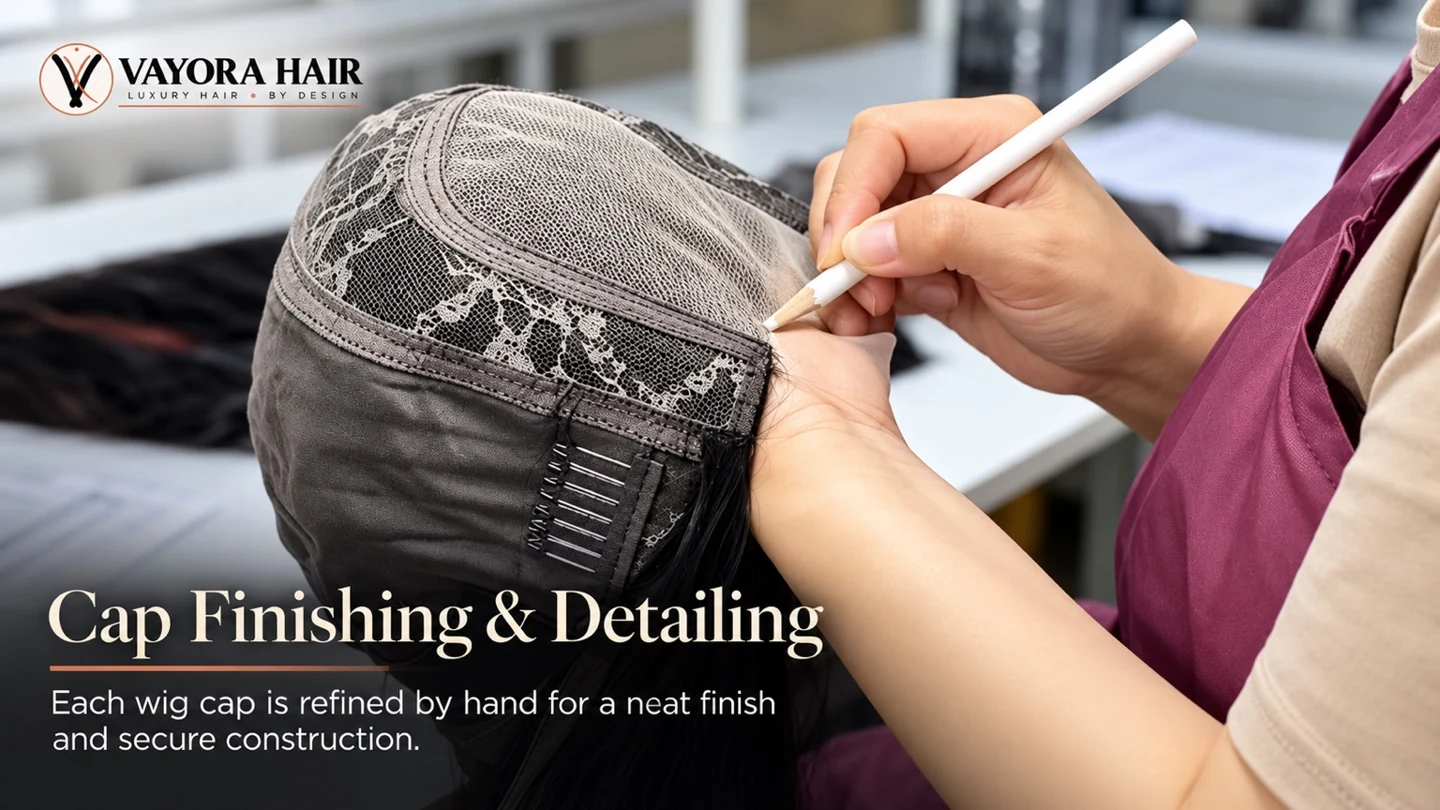
Image credit: vayorahair.com
A wig retailer developing its own products can view such comments as something beyond reviews. They reveal opportunities to develop products people will genuinely enjoy wearing.
Building a successful collection involves more than responding to the newest hair trend. What matters is learning what customers want to feel and experience when they wear a wig.
What Customer Feedback Can Reveal
When wearers express concerns, they generally do not speak in manufacturing language. Instead, their concerns center on comfort and convenience, confidence and appearance. When a buyer asks for less preparation in the morning, a glueless construction may be worth exploring. If customers find the hairline unrealistic, the team may need to review lace appearance and knot treatment, along with the density or design of the part.
A human hair wig manufacturer China brands work with should be able to translate these everyday concerns into measurable product specifications.
Rather than specifying a 22-inch body-wave wig alone, a buyer can outline the desired wearing experience, how the cap should fit, lace construction, the look of the hairline, and finished weight. That level of detail gives the development team a clearer target.
Building an Identity for Your Private Label Wig Range
A common mistake for developing wig brands is to build their range around whatever is popular at the time. The consequence may be a product lineup that looks much like those of competing stores.
Choosing a private label wig manufacturer China retailers can work closely with gives brands an opportunity to create a more consistent product identity. Possible directions include lightweight wigs for daily wear, a premium collection with natural-looking hairlines, or ready-to-wear units for buyers who want minimal preparation. Texture, length, color, density, cap construction, and packaging should support the same customer promise. A recognizable collection gives shoppers a reason to return beyond a temporary discount.
Glueless Construction Go Beyond a Name
The term “glueless” sounds simple, but the wearing experience depends on several construction details. A secure, comfortable fit depends on cap sizing, adjustment features, attachment components, lace preparation, and hairline design.
Clarifying these requirements before production is something a glueless wig manufacturer China buyers work with should assist with. Manageable density, pre-cut lace, and simple adjustment features may be particularly important when the intended customers are new to wigs. The customization options for a professional stylist’s collection may be different. There is no inherent superiority for either approach. The two approaches address the needs of different customer groups.
Protect Your Brand’s Reputation Through Sampling
A picture of a wig cannot reveal all the characteristics of the wig. A buyer should assess how the cap fits and the hair moves, check the color against expectations, and confirm whether the finished construction matches the approved design. The sample stage creates an opportunity to identify discrepancies ahead of a larger order.
When a wholesale human hair wigs supplier needs to produce a style repeatedly, written specifications and quality checks and procedures are particularly important. Even a good first production run may be hard to replicate consistently if there are no clear references.
Build a Collection That Can Grow
VAYORA supports B2B wig brands, retailers, and distributors through product development, private label services, sampling, specification control, and repeat-production workflows. The approach connects customer expectations to the physical features that shape the wig’s appearance, fit, and feel.
A catalog expansion should follow a close examination of customer feedback, identification of the strongest product opportunities, and establishment of explicit approval standards. More styles are not necessarily what the next successful collection requires. Instead, success may come from making fewer compromises in the styles customers are already interested in.