
A customer loves the color of a wig but finds the cap uncomfortable after several hours. For another wearer, the advantage of the natural-looking hairline comes with a drawback: a twenty-minute lace adjustment each morning is more than they want. A third customer purchases an attractive wig and discovers that its density feels surprisingly heavy.
To a brand selling wigs, these comments represent more than isolated customer reactions. Such observations can guide the development process toward products that deliver a more enjoyable wearing experience.
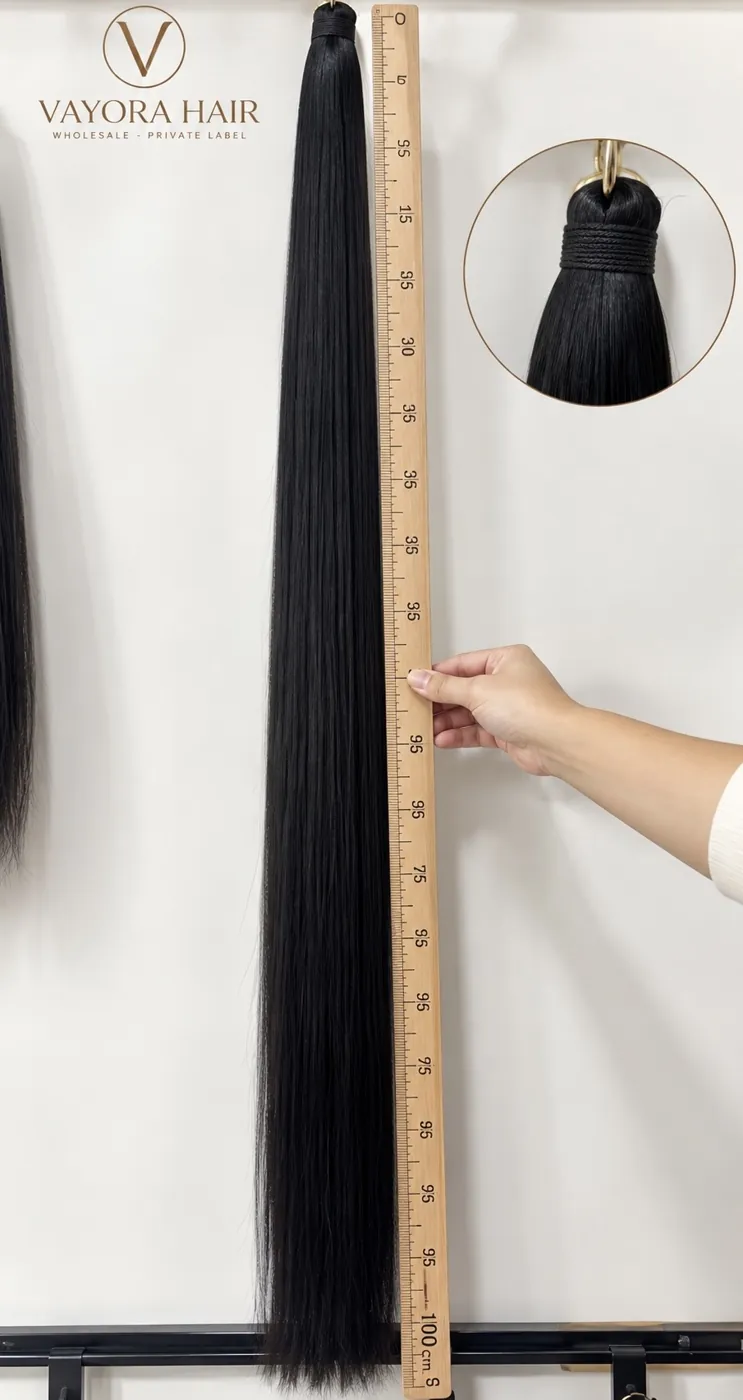
Image credit: vayorahair.com
The newest viral hairstyle is not necessarily the foundation of a successful wig collection. They’re built around understanding what customers want to experience when they put a wig on.
Explore the Problems Behind the Purchase
Customers rarely describe their needs using manufacturing terminology. Comfort during wear, how convenient it is to use, how it looks and how confident the wearer feels are what customers describe. The desire to simplify morning preparation may indicate a need for a glue-free construction. Feedback about a hairline that does not look natural can highlight possible issues with lace appearance, knot treatment, hair density, or parting design.
The human hair wig manufacturer China brands select should convert such customer observations into measurable specifications.
Rather than specifying a 22-inch body-wave wig alone, a buyer can outline the desired wearing experience, cap fit, lace construction, the look of the hairline, and finished weight. That level of detail gives the development team a clearer target.
Give Your Private Label Range a Distinct Identity
Many emerging wig brands make the mistake of building their catalogs around whatever products are currently popular. Such an approach can leave the brand with a collection that closely resembles competitors’ offerings.
Working with a private label wig manufacturer China retailers can collaborate with allows brands to develop a more consistent product identity. Possible directions include lightweight wigs for daily wear, a premium collection with natural-looking hairlines, or ready-to-wear units for buyers who want minimal preparation. Texture, length, color, density, cap construction, and packaging should support the same customer promise. A distinctive product range can encourage repeat visits for reasons other than a temporary discount.
Glueless Wigs Require More Than a Label
The term “glueless” sounds simple, but the wearing experience depends on several construction details. A comfortable and secure fit depends on cap sizing, adjustment features, attachment components, lace preparation, and hairline design.
A glueless wig manufacturer China buyers choose should help clarify these requirements before production begins. A brand serving first-time wig users, for instance, might focus on manageable density, pre-cut lace, and simple adjustment features. A professional stylist’s collection might require different customization options. Neither approach is automatically better. Each serves a different customer.
Sampling Protects the Brand’s Reputation
Even a clear product image provides only part of the information about a wig. Evaluating the unit means looking at cap fit, hair movement, color accuracy relative to expectations, and whether the final construction follows the approved design. Sampling provides an opportunity to identify differences before placing a larger order.
Repeat production makes documented specifications and quality-control procedures particularly important for a wholesale human hair wigs supplier. Even a well-received first batch may be hard to replicate consistently if clear references are missing.
Developing a Scalable Collection With a Clear Direction
Through product development, private label services, sampling, specification control, and repeat-production workflows, VAYORA supports B2B wig brands, retailers, and distributors. Its approach connects customer expectations with the physical details that determine how a wig looks, fits, and feels.
Before adding more products, a brand should evaluate customer feedback, determine where its strongest product opportunities lie, and define clear approval standards. More styles are not necessarily what the next successful collection requires. The greater opportunity may lie in reducing trade-offs in existing desirable styles.