
A municipality has an outdated wastewater lift station. The pumps are at the maximum lifespan The controls are old, and the access hatch has worn out. But the concrete wet well is solid and sturdy.
Do you think the station should be destroyed and rebuilt? Not necessarily. It is more important to consider whether the infrastructure in place can support an advanced system of pumping without compromising capacity in the future as well as reliability or accessibility.
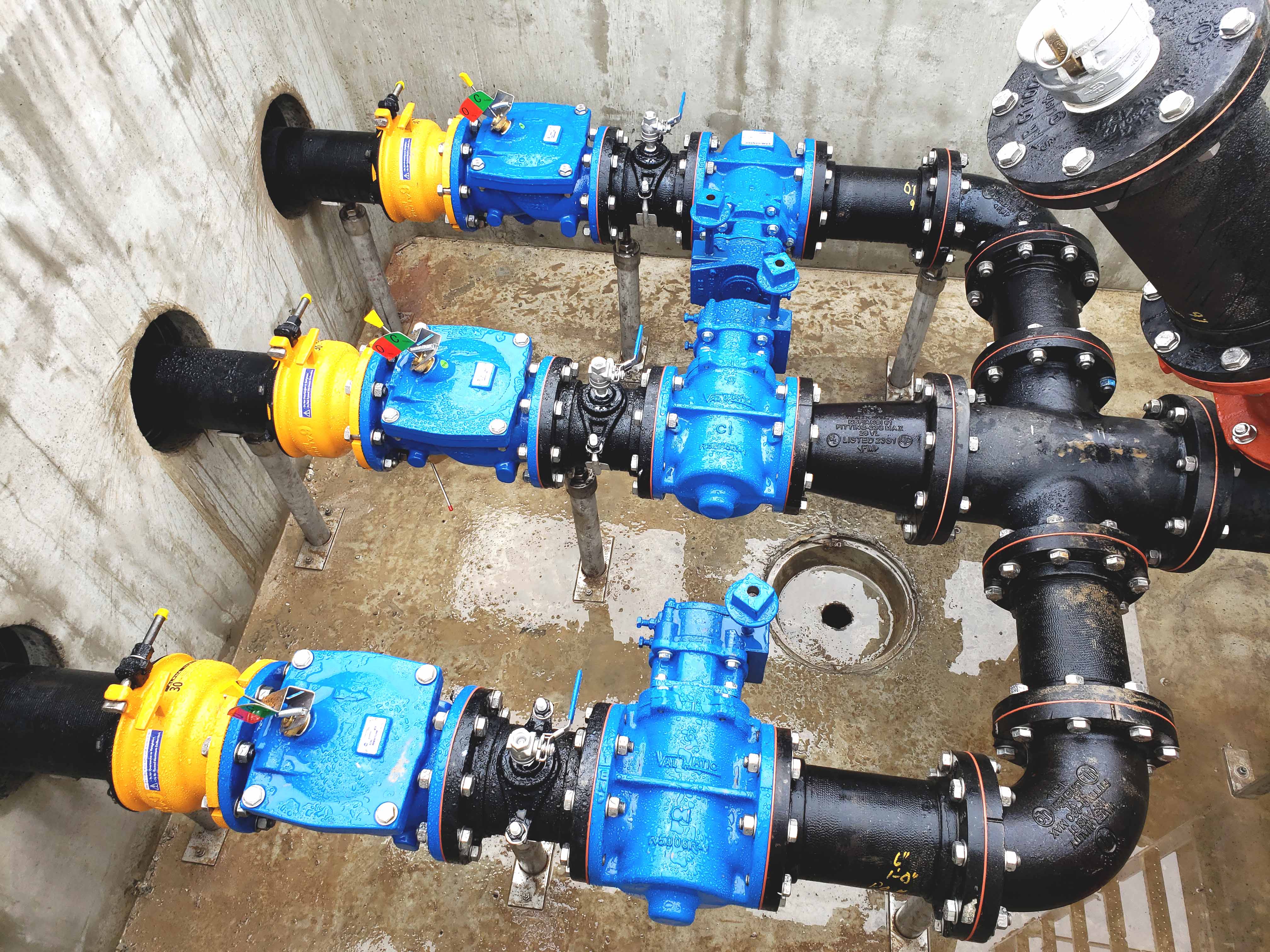
Image credit: romtecutilities.com
The retrofitting of the pumping station precisely designed can help save infrastructure while also replacing components that no longer meet the operational standards.
Begin With the Structure No One Wants to Replace
It’s costly and inconvenient to change the wet well because it is in the ground, linked to pipes and is vital for wastewater collection.
Retaining the concrete structure could make it easier to dig and build.
But, any deterioration that occurs around the access hatch may complicate the process. Romtec Utilities says that wet well hatches are often replaced as part of retrofits. It is possible to be more durable to replace the top slab instead of attaching a new hatch on concrete that has deteriorated. This technique can be utilized to improve access and the usability of the structure without having to rebuild the whole wet well.
An improved pump can alter the way engineers work.
Imagine a neighborhood that has seen a significant increase in population since the original lift station was installed. The existing pumps may not be adequate for the increasing flow of wastewater.
A pumping station upgrade could involve higher-horsepower pumps, but equipment selection cannot happen independently of the surrounding system.
Engineers should also look at the hydraulic needs of the system. This is a consideration for flow as well as total dynamic pressure. Installation of a larger pump prior to assessing the requirements could cause more problems than it solves. Making plans for future capacity in the initial design process can allow for later expansion much more easily.
Make sure that the wastewater is moving during construction.
Retrofitting a wastewater pump station presents a problem that normal project for replacement of equipment may not be able to overcome: the station may need to remain operational during construction.
Wastewater continues arriving even when contractors are at work. In the case of the project temporary bypass pumps could be needed to maintain services during removal and the installation of existing equipment.
Romtec Utilities fought this kind of challenge at the Federal Law Enforcement Training Center in Brunswick, Georgia.
The project required the replacement of two old wastewater lift stations in the process of maintaining operation at the facility. Site-specific engineering and packaged replacement systems and bypass pumping methods helped accommodate the existing station footprints and operational requirements. The scenario illustrates why construction sequencing deserves attention prior to the installation process begins.
In the event that replacing becomes the best alternative
Not every station can be repaired. Sewer lift stations might have to be replaced in the event of a badly damaged or insufficiently functioning wet well. capacity for structural strength.
In making a decision, it is important to consider the structural health of the building, its compatibility equipment, the accessibility to construction, continuity of service and long-term requirements. Romtec Utilities begins retrofits and replacements by identifying the components that will remain as well as the ones that require replacement.
The company will then create sites-specific engineering designs, budget estimates, and preliminaries of designs. Prefabricated components can be useful to facilitate installation and reduce certain requirements on site.
The Project isn’t Complete until the Pumps Begin to Run
The modernized lift station should be able to function as a system. Prior to returning a lift station to normal operation, initial testing, commissioning, and verification of the equipment are essential to make sure that all pumps, controls and the related equipment function in accordance with the specifications.
Maintenance and operation manuals and also the training of operators are vital. Maintenance staff must understand the latest equipment, operating procedures, and the documentation prior to taking over for the station.
Retrofitting infrastructure effectively preserves its value while fixing the issues that caused modernization.
Municipalities and owners of facilities must consider more than immediate repairs. The most successful projects combine the latest equipment with the existing structures. They ensure essential services during construction and prepare the pumping systems to last for a long time.